Compare Yonex Astrox 99 Pro Gen3 vs Li-Ning Axforce 80
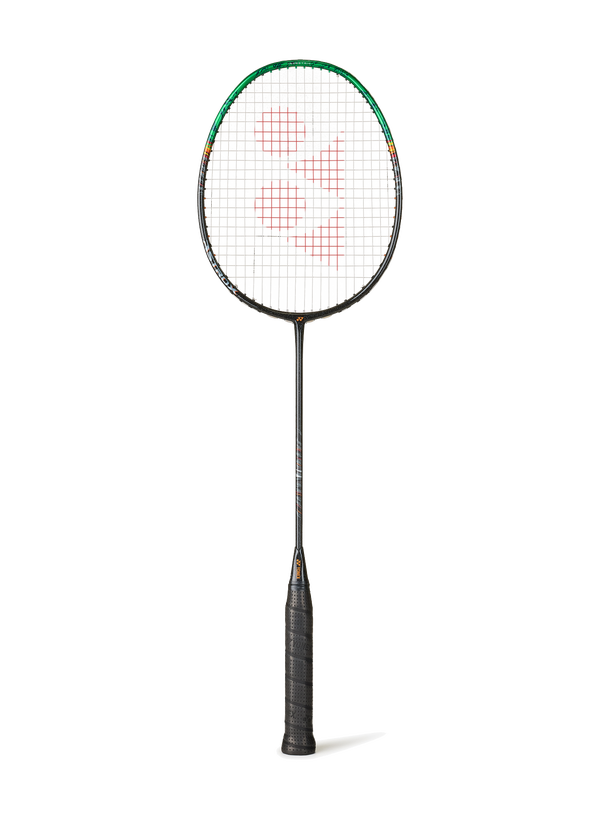 | 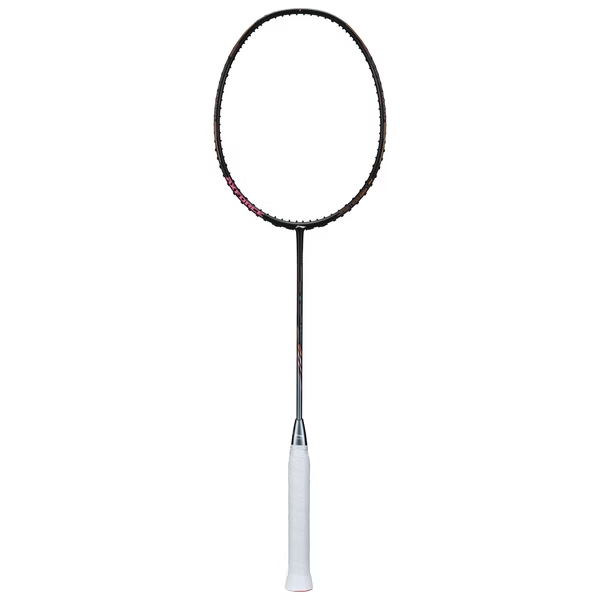 | |
|---|---|---|
| Specification | Yonex Astrox 99 Pro Gen3 | Li-Ning Axforce 80 |
| Flex | stiff | medium |
| Balance | Head Heavy | Head Heavy |
| Weight / Grip | 3U / G4,G5,G6 4U / G5,G6 | 3U / G5 4U / G5 5U / G6 |
| Max Tension | 3U: 29 lbs 4U: 28 lbs | 3U: 31 lbs 4U: 30 lbs 5U: 29 lbs |
Astrox 99 Pro Gen3 vs Axforce 80 - Technical Specification Comparison
Flex Comparison
The flex rating of a racket influences how power is generated and how the shuttle responds at contact. It plays a major role in playability, especially during smashes, drives, and defensive lifts.
Astrox 99 Pro Gen3 features a stiff shaft, while Axforce 80 uses a medium shaft. Stiff shafts suit players who already generate power with strong technique. They offer cleaner shuttle response, better directional accuracy on drives, and enable tighter placement during attacking play. However, they demand more physical input, so beginners may find them less forgiving if contact timing is late. By comparison, Medium flex rackets provide a balance between accuracy and repulsion. They are well-suited for intermediate players transitioning to higher levels or those who want a racket that works for both power and control without specializing too strongly in one direction..
Players who hit with full-body rotation and strong wrist snap may benefit more from the characteristics of Astrox 99 Pro Gen3, while those who prefer rallies, longer games and effortless depth will appreciate the support offered by Axforce 80.
| Flexible | Medium | Stiff | |
|---|---|---|---|
| Astrox 99 Pro Gen3 | |||
| Axforce 80 |
Balance Comparison
Balance affects swing sensation, shot recovery, and how easily power transfers into the shuttle. Even a similar weight racket can feel completely different depending on where the mass is distributed.
Both rackets share a head heavy balance profile, meaning their weight distribution philosophy is similar. Head-heavy rackets shift more mass toward the frame, increasing momentum behind smashes and clears. Players who dominate from the rear court or rely on offensive pressure benefit most. However, head-heavy setups may feel slower when switching quickly between forehand and backhand defense.. In this case, differences in performance will rely more on flex, weight class, and tension settings rather than balance alone.
| Head Light | Even | Head Heavy | |
|---|---|---|---|
| Yonex Astrox 99 Pro Gen3 | |||
| Li-Ning Axforce 80 |
Weight & Maneuverability
The weight class determines how quickly a racket moves during defense and how much stability it has during smashes. Lighter frames accelerate faster, while heavier ones provide more impact stability.
Astrox 99 Pro Gen3 is available in 3U, 4U while Axforce 80 comes in 3U, 4U, 5U. A player choosing between them may decide based on whether they prioritize fast exchanges and net interceptions or power-focused shooting from the backcourt.
Lighter variants like 5U/6U emphasize maneuverability, especially valuable in doubles, defence and drive rallies. Meanwhile, 3U/4U variants carry more swing momentum, benefiting aggressive singles players who rely on steep smashes.
| 2U | 3U | 4U | 5U | 6U | |
|---|---|---|---|---|---|
| Yonex Astrox 99 Pro Gen3 | |||||
| Li-Ning Axforce 80 |
String Tension & Control Potential
String tension capacity affects how the shuttle feels on contact. Higher tension enhances precision but requires strength, while lower tension increases repulsion and shuttle height support.
Astrox 99 Pro Gen3 is rated up to 29 lbs, while Axforce 80 supports 31 lbs. A higher tension range suggests better control headroom for advanced setups, whereas lower tension limits may feel more user-friendly for newer players.
Which One Should You Choose?
If you want sharper control and more direct response, the stiffer racket is preferable. If you prefer effortless power production during clears and rallies, the flexible option is easier to use over longer matches.
Frequently Asked Questions
Is Yonex Astrox 99 Pro Gen3 more flexible than Li-Ning Axforce 80?
No. Li-Ning Axforce 80 is more flexible with a medium flex rating, while Yonex Astrox 99 Pro Gen3 is stiff.
Is Yonex Astrox 99 Pro Gen3 more head-light than Li-Ning Axforce 80?
No. Both Yonex Astrox 99 Pro Gen3 and Li-Ning Axforce 80 have the same head heavy balance rating.
Do Yonex Astrox 99 Pro Gen3 and Li-Ning Axforce 80 have the same weight class options?
Both rackets offer 3U, 4U weight class options. Li-Ning Axforce 80 also comes in 5U, which Yonex Astrox 99 Pro Gen3 does not. Both rackets offer the same heaviest available option (3U).